Building Your Vision with Precision and Excellence! 🏗️ | Explore Our Services Today!

The Hidden Dangers Lurking in Your Home: Why Construction and Renovation Might Save Your Life"
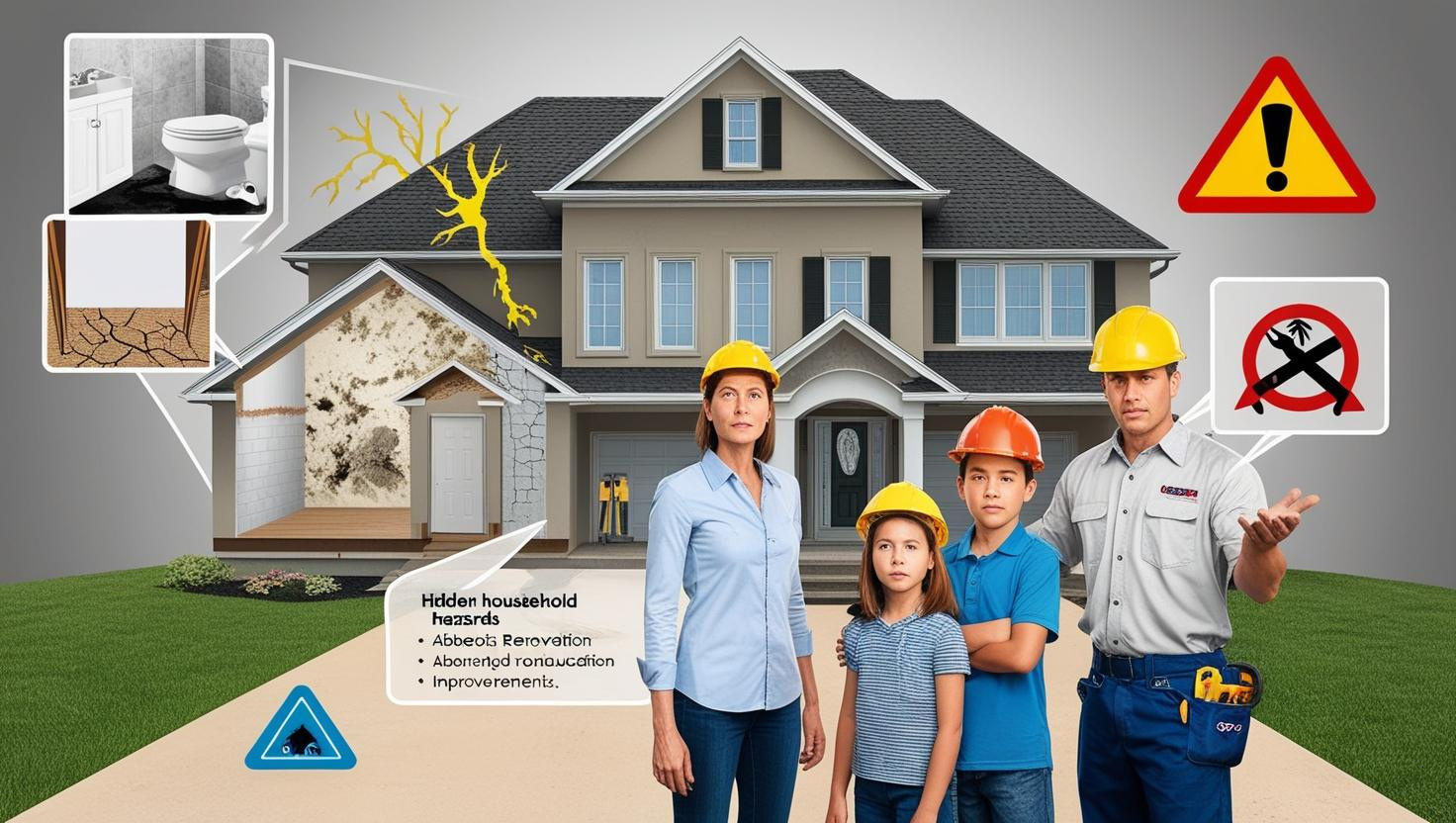
The Hidden Dangers Lurking in Your Home: Why Construction and Renovation Might Save Your Life" 🏠 Your home is supposed to be your sanctuary, a place of comfort and safety. But what if the very walls that protect you are harboring hidden dangers? From silent toxins to structural weaknesses, your house might be concealing threats that could put your family at risk. Imagine going about your daily routine, blissfully unaware of the potential hazards lurking in every corner. That small crack in the foundation? It could be a sign of serious structural issues. The old paint peeling in your child's room? It might contain lead. These overlooked dangers can have severe consequences on your health and safety. But there's hope. Construction and renovation aren't just about aesthetics—they could be the key to safeguarding your family's well-being. In this eye-opening exploration, we'll uncover the common household hazards you might be overlooking, and how modern construction techniques can transform your home into a truly safe haven. From addressing structural issues to implementing cutting-edge safety features, we'll guide you through the life-saving potential of home improvement. Let's dive into the hidden dangers and discover how a well- planned renovation could be your best defense against household threats. Common household hazards you might be overlooking Hidden mold and its health impacts Mold thrives in damp, dark environments, often lurking unseen behind walls or under flooring. Exposure to mold can lead to respiratory issues, allergies, and even neurological problems. Common symptoms include: Persistent coughing Wheezing Nasal congestion Skin irritation Headaches Asbestos: The silent killer in older homes Asbestos, once widely used in construction, poses severe health risks when disturbed. It's often found in: Location Common Asbestos-Containing Materials Insulation Vermiculite, pipe wrapping Flooring Vinyl tiles, sheet flooring Roofing Shingles, felt underlayment Walls Textured paint, joint compound Lead paint risks for children and adults Lead-based paint, prevalent in homes built before 1978, can cause developmental issues in children and various health problems in adults. Exposure typically occurs through: 1. Deteriorating paint chips 2. Lead dust from friction surfaces 3. Contaminated soil around the home Radon gas: The invisible threat Radon, a radioactive gas formed by decaying uranium in soil, can seep into homes through foundation cracks. It's the second leading cause of lung cancer after smoking. Testing is crucial as radon is: Odorless Colorless Tasteless Regular home inspections and appropriate renovations can significantly reduce these hidden dangers, ensuring a safer living environment for you and your family. How renovations can address these dangers Proper mold remediation techniques Mold remediation is a crucial step in addressing hidden dangers in your home. Professional remediation involves: 1. Identifying and eliminating moisture sources 2. Containing the affected area 3. Removing contaminated materials 4. Cleaning and disinfecting surfaces 5. Drying the area thoroughly Step Purpose Importance Containment Prevent spore spread Critical Removal Eliminate mold source Essential Cleaning Eradicate remaining spores Vital Drying Prevent future growth Crucial Safe asbestos removal and encapsulation Asbestos, once a popular building material, poses significant health risks. Renovation strategies include: Professional inspection to identify asbestos-containing materials Encapsulation: sealing asbestos to prevent fiber release Removal: carefully extracting and disposing of asbestos materials Air quality testing post-remediation Lead abatement strategies Lead, common in older homes, requires careful handling during renovations: 1. Lead paint testing 2. Containment of work areas 3. Wet scraping or sanding to minimize dust 4. HEPA vacuuming and thorough cleaning 5. Proper disposal of lead-contaminated materials Radon mitigation systems Radon, a radioactive gas, can be addressed through: Sub-slab depressurization systems Soil suction techniques Sealing foundation cracks and openings Installing ventilation systems These renovation strategies not only address immediate dangers but also contribute to long-term home safety and value. Next, we'll explore structural issues that may be compromising your home's safety, often hidden from plain sight. Structural issues that compromise safety Foundation problems and their consequences Foundation issues are often invisible but can pose serious risks to your home's safety. Common signs include: Cracks in walls or floors Doors that stick or won't close properly Uneven floors Gaps between walls and ceilings Left unchecked, these problems can lead to: Consequence Impact on Safety Structural instability Increased risk of collapse Water infiltration Mold growth and health hazards Pest intrusion Disease transmission and property damage Energy inefficiency Higher utility costs and potential fire risks Electrical system dangers Outdated or faulty electrical systems are a leading cause of house fires. Key issues include: 1. Overloaded circuits 2. Outdated wiring (e.g., aluminum or knob-and-tube) 3. Faulty circuit breakers or fuse boxes 4. Improperly grounded outlets Plumbing leaks and water damage Hidden plumbing leaks can cause extensive damage and create unsafe living conditions. Be aware of: Mold and mildew growth Weakened structural elements Slip hazards from wet surfaces Contaminated water supply Regular inspections and prompt repairs are crucial to preventing these issues from escalating. Roof integrity and potential hazards A compromised roof can lead to numerous safety concerns: 1. Water infiltration and ceiling collapse 2. Insulation damage, leading to energy inefficiency 3. Mold growth in attic spaces 4. Increased risk of fire spread during emergencies Regular roof maintenance and timely repairs are essential for maintaining a safe living environment. As we explore these structural issues, it becomes clear that proactive measures are necessary to ensure the safety of your home. Modern construction techniques for a safer home Advanced ventilation systems Modern construction techniques prioritize advanced ventilation systems to create healthier and safer living environments. These systems go beyond simply circulating air, offering numerous benefits: Improved indoor air quality Reduced moisture and mold growth Enhanced temperature control Energy efficiency Here's a comparison of traditional vs. advanced ventilation systems: Feature Traditional Ventilation Advanced Ventilation Air flow Passive Active and controlled Filtration Basic HEPA and activated carbon Humidity control Limited Precise regulation Feature Traditional Ventilation Advanced Ventilation Energy efficiency Low High with heat recovery Smart integration None IoT-enabled monitoring Energy-efficient insulation materials Modern insulation materials not only conserve energy but also contribute to a safer home environment. Some cutting-edge options include: 1. Aerogel insulation 2. Phase-change materials (PCMs) 3. Vacuum insulated panels (VIPs) 4. Recycled denim insulation These materials offer superior thermal performance while reducing the risk of fire spread and off-gassing of harmful chemicals. Smart home technology for early danger detection Integrating smart technology into home construction provides an additional layer of safety: Connected smoke and carbon monoxide detectors Water leak sensors Air quality monitors Smart electrical systems to prevent overloads These devices can alert homeowners to potential dangers before they escalate, allowing for quick intervention and potentially saving lives. Fire-resistant building materials Modern construction emphasizes the use of fire-resistant materials to enhance home safety: 1. Intumescent coatings 2. Fire-rated drywall 3. Flame-retardant insulation 4. Non-combustible siding materials By incorporating these advanced materials and techniques, modern homes are built to be more resilient in the face of fire hazards, providing crucial extra time for evacuation and potentially limiting property damage. The long-term benefits of addressing hidden dangers Improved overall health and well-being Addressing hidden dangers in your home can significantly improve your family's health and well-being. By eliminating toxins, allergens, and safety hazards, you create a healthier living environment. Here's how addressing these issues can benefit you: Reduced risk of respiratory problems Decreased likelihood of accidents and injuries Improved sleep quality Enhanced mental health and reduced stress Increased property value Tackling hidden dangers not only makes your home safer but also increases its market value. Potential buyers are willing to pay a premium for a well-maintained, safe property. Consider the following benefits: Improvement Potential Value Increase Mold remediation 3-5% Improvement Potential Value Increase Asbestos removal 5-7% Structural repairs 10-15% Updated electrical systems 6-8% Lower insurance premiums Insurance companies reward homeowners who take proactive measures to reduce risks. By addressing hidden dangers, you may qualify for significant discounts on your home insurance premiums. Some potential savings include: Up to 20% for installing a security system 5-15% for updating electrical wiring 10-20% for replacing an old roof Peace of mind for you and your family Perhaps the most valuable benefit of addressing hidden dangers is the peace of mind it brings. Knowing that your home is safe and secure allows you to: Sleep better at night Enjoy your living space without worry Focus on creating positive memories with your loved ones By investing in your home's safety, you're investing in your family's well-being and future. With these long-term benefits in mind, it's clear that addressing hidden dangers is not just a matter of safety, but also a smart financial and emotional decision. Your home, often considered a sanctuary, may harbor hidden dangers that threaten your family's safety and well-being. From structural issues to outdated systems, these risks can accumulate over time, compromising the integrity of your living space. Recognizing and addressing these hazards through strategic renovations and modern construction techniques is crucial for creating a safer, more secure environment. By investing in home improvements and staying informed about potential risks, you're not just enhancing your property's value – you're actively safeguarding your loved ones. Remember, a proactive approach to home safety through regular inspections, timely renovations, and the implementation of up-to-date construction methods can make all the difference in preventing accidents and ensuring peace of mind for years to come. Don't wait for a crisis to strike; take action now to transform your home into the safe haven it's meant to be.
4/23/20251 min read
My post content